A Review of NMUN: The University-Level Conference with Sessions at UN Headquarters in New York
What NMUN's sessions at UN Headquarters in New York actually mean for a delegate—and what they do not. The university-level pedagogical conference explained.
NMUN National Model United Nations Review: What the UN Headquarters Venue Actually Means
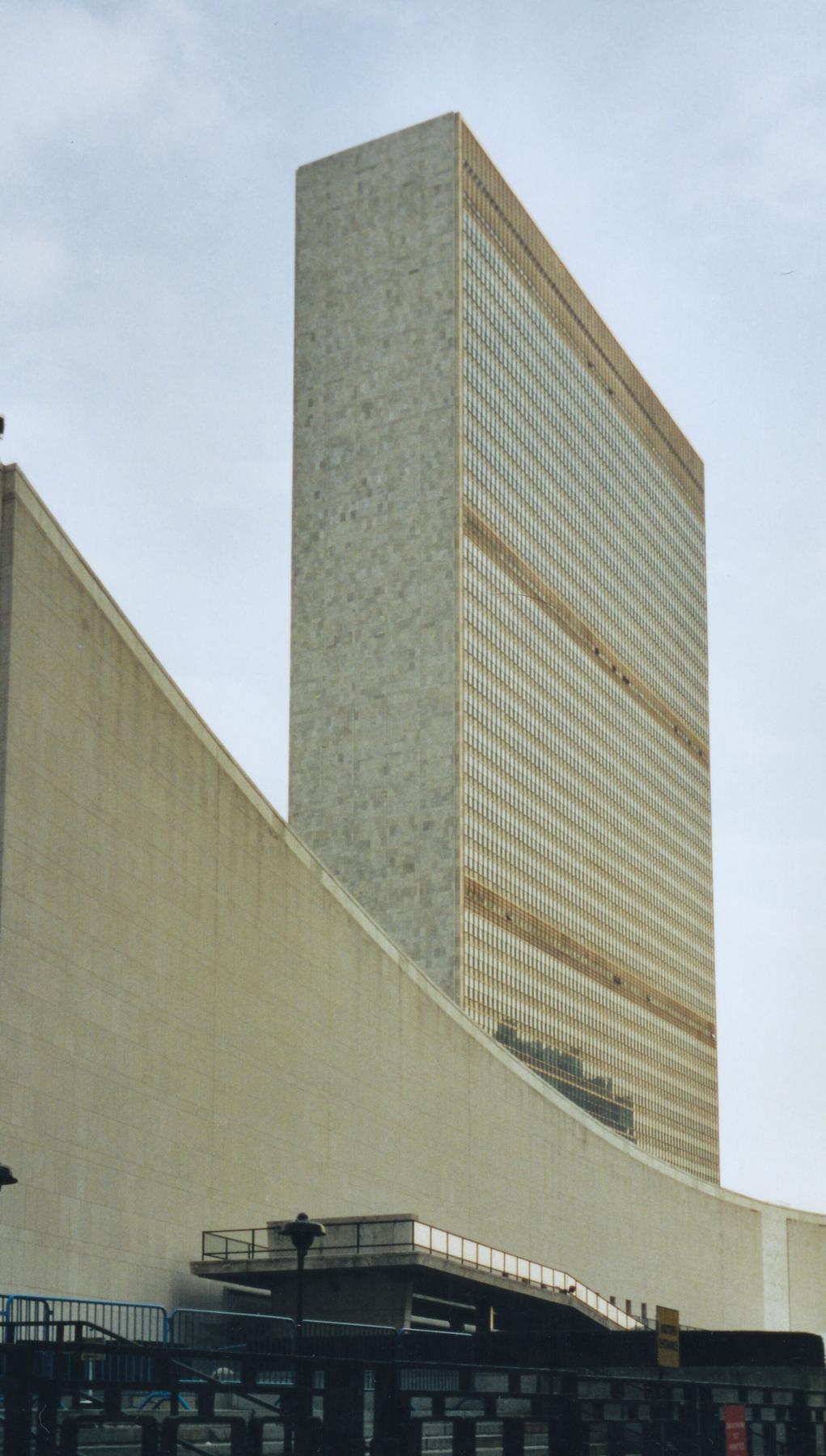
The opening ceremony takes place inside the United Nations Headquarters in New York. That is the headline. The gap between what that sounds like and what it delivers is wide enough to change how you prepare. The single most common mistake first-time university participants make is assuming they are attending a UN event. You are not. The gathering is run by the National Collegiate Conference Association, a private non-profit. You receive no UN accreditation, no UN credentials, and no official connection to the organisation whose building you enter. The opening and closing plenaries happen in the General Assembly hall, the same room seen on news broadcasts. That is genuinely memorable. Committee sessions, however, are held at the New York Hilton Midtown, a hotel conference centre a fifteen-minute walk away. The 2026 edition runs 22-26 March (Conference A) and 5-9 April (Conference B). Registration for the 2025 edition cost USD 1,200 per person at the early rate and USD 1,350 at the regular rate; the National Collegiate Conference Association publishes the 2026 fees, so check those before you budget. Standing at a podium inside UN Headquarters is real. Everything else about the event is a private simulation held in commercial space.
NMUN UN Headquarters Sessions: the Room, the Logistics, and What They Do Not Include
The Plenary Sessions
Plenary sessions at UN Headquarters last roughly two hours per day. Enter through the visitor entrance on First Avenue. You go through security screening identical to that for public tours, then sit in the General Assembly chamber or in one of the larger conference rooms. The room is the draw: the green marble dais, the gold-draped podium, the delegations seated in alphabetical order across the floor. A secretariat member presides. Selected participants deliver speeches. For a university-level event that draws several thousand attendees annually, this is the ceremonial bookend, not the substantive work.
What Happens In The Hilton
The New York Hilton Midtown holds the committee sessions. A General Assembly body at NMUN can hold a large room of participants. The dais, chair, co-chair, and rapporteur, runs debate using the NMUN Rules of Procedure, adapted from UN General Assembly Rules but modified for a simulation. Committees sit for four full days. The working language is English throughout. Blocs form during unmoderated caucus, draft resolutions are written in the hotel breakout rooms, and the final vote occurs on the last morning. The Hilton rooms are windowless ballrooms with long tables, hotel carpet, and audiovisual equipment that fails at least once per gathering. Dais teams handle this by switching to hand-written placards and voice voting.
What It Does Not Mean
You are not accredited to the United Nations. No NMUN participant receives a UN badge, a UN email address, or access to UN diplomatic channels. The National Collegiate Conference Association rents the building for a few hours under a standard event contract. UN staff are not involved in designing the topics, the committees, or the award decisions. The study guides are written by the dais team, who are university students or recent graduates, not UN officials. If you expect to meet ambassadors or to have your resolution forwarded to a real UN body, that expectation will fail.

University MUN New York: Why NMUN is the Only Major University-Level Conference in the City
New York hosts several high school Model United Nations events. NAIMUN runs in Washington D.C., not New York, and HMUN runs in Boston. NMUN is the only large-scale university-level gathering that operates in the city. The distinction matters because the experience changes significantly between high school and university editions. Committee size is larger at NMUN. A typical General Assembly body holds many more participants than the 30 to 60 you find at a high school event. The attendee-to-staff ratio is wider, meaning individual visibility is harder to achieve. The procedural culture is less theatrical: NMUN awards diplomacy and consensus over competitive clash, and the dais actively discourages the aggressive speaking style that wins recognition at other circuits.
Who Attends
Delegations come from universities across the United States and from approximately thirty-five other countries. A faculty advisor must register a school delegation; individual registration is not offered. This filters out casual participants and raises the average preparation level. Arrive without having read the study guide and written your position paper, and you will be invisible in a room full of prepared students.
NMUN Position Paper Awards: the System That Replaces Competitive Gavel-Chasing
Most high school events award a single Best Delegate per committee, decided primarily on in-room performance. NMUN replaces that model with a position-paper award system that gates eligibility for all other recognition. A participant who does not submit a position paper is ineligible for any committee-level award, regardless of how well they perform on the floor.
Format And Deadline
The position paper is 1-2 pages per committee, single-spaced, structured by topic. Required sections are: committee background, national or institutional position on each agenda topic, and proposed solutions. The submission deadline falls approximately four to six weeks before the event. Check the exact date on the NMUN portal because it is strictly enforced. Position-paper disqualification is the most common failure mode for first-time attendees. Miss the deadline and you have decided to attend a gathering where you cannot win an award.
How It Is Scored
The dais grades each paper on research quality, policy specificity, and writing clarity. A strong paper cites specific treaties, resolutions, and statistical data relevant to the committee topic. A weak paper recites general statements about peace and cooperation. The score combines with committee performance to determine awards. NMUN does not publish award rubrics; transparency is lower than at some events. But the stated weighting treats the position paper as roughly equal to in-room contribution. In practice, dais visibility and bloc leadership dominate the in-room score. A well-written paper from a quiet participant rarely wins. This gap between published criteria and actual award drivers is standard across large gatherings and is not unique to NMUN.
Award Tiers
Committee-level awards are Outstanding, Distinguished, and Honourable Mention. Delegation-level awards are Outstanding Delegation and Distinguished Delegation. The tiers are standard for the circuit. To aim for Outstanding, you need a position paper that scores in the top tier and a visible role in a successful bloc that produces a passed draft resolution.
NMUN Pedagogical Approach: Why the Conference Frames Itself as Education, Not Competition
NMUN describes itself as a pedagogical exercise rather than a competition. The National Collegiate Conference Association publishes a code of conduct, emphasises consensus-building in the rules of procedure, and instructs dais teams to reward participants who merge resolutions and bring blocs together. This framing is not mere marketing. It changes how the dais evaluates performance.
What The Dais Rewards
Merge your bloc's draft resolution with a rival bloc's text, reducing the number of documents on the floor, and you earn credit that someone who fights to keep their own resolution alive does not. Speak in a moderated caucus to offer compromise amendments, and you are rated higher than someone who delivers a polished policy speech and refuses to yield. The pedagogical framing favours the coalition-builder over the orator. If you come from a high school circuit where awards go to the loudest speaker, NMUN requires an adjustment.
The Bloc As The Unit Of Work
Draft resolutions at NMUN are written by blocs, not by individuals. Without a bloc, you cannot pass a resolution. The unmoderated caucus share of total committee time is high, roughly 40 to 50 percent, because the design prioritises informal negotiation over formal debate. Move between tables, make trade-offs, and write operative clauses under time pressure. That is how you succeed. Expect to win by speaking alone, and you will not.
Who NMUN Suits and Who Should Skip it
This event suits the university student who wants to experience a simulation at the largest scale available, who is comfortable writing a structured position paper in advance, and who understands that the work happens in hotel ballrooms, not at the UN. It suits the faculty advisor who needs a gathering that takes pedagogical goals seriously and where the awards system rewards preparation over aggression. It suits the experienced participant who has spent two or three years on the high school circuit and wants a different challenge: larger committees, longer sessions, and a culture that penalises the theatrics that win gavels elsewhere.
Skip it if you want a UN experience that includes meeting diplomats or influencing real policy. That is not what NMUN delivers. Skip it if you hate writing and expect to improvise your way through committee, because the position-paper award gate will block your eligibility. Skip it if you are a high school student looking for a weekend of fast-paced crisis committees and aggressive negotiation; look at NAIMUN or HMUN instead. And skip it if you seek analysis of actual UN peacekeeping operations or Security Council reform. NMUN is a simulation of parliamentary procedure, not a class about the United Nations.
Full specification
| Individual delegates or school delegations | University delegations | manufacturer |
|---|---|---|
| Run by | National Collegiate Conference Association | manufacturer |
| Where | New York, with other editions elsewhere | manufacturer |
| What it is known for | Sessions held at UN Headquarters in New York | manufacturer |
| Working language | English | manufacturer |
| Who it is for | University | manufacturer |
Figures labelled manufacturer are the maker's own claim and are measured by them. Owner reported figures are aggregated from owners and are the ones worth planning around.
Common Questions
Do NMUN delegates actually sit in the UN General Assembly hall?
Yes, for the opening and closing plenary sessions. Delegates enter the UN Headquarters building, pass through security, and sit in the General Assembly chamber or a large conference room. The committee sessions themselves take place at the New York Hilton Midtown.
Does NMUN give delegates UN accreditation?
No. Delegates receive no UN credentials, badges, or official status. The conference is a private event run by the National Collegiate Conference Association, which rents the UN building for a few hours under a standard event contract.
What happens if I do not submit a position paper?
You become ineligible for any committee-level or delegation-level award. The submission deadline is approximately four to six weeks before the conference and is strictly enforced. Missing it is the most common mistake first-time delegates make.
How large are NMUN committees?
General Assembly committees typically hold 150 to 200 delegates. This is significantly larger than most high school conferences, where committees often hold 30 to 60 delegates. Individual visibility is harder to achieve.
Is NMUN a competition?
The National Collegiate Conference Association frames NMUN as a pedagogical exercise, not a competition. Awards are given, but the dais evaluates delegates on consensus-building, bloc leadership, and merging resolutions, not on aggressive speaking or winning arguments.
Read next
-
 MUN Conference Safety: Safeguarding, Travel, and Supervision Responsibilities
A practical guide to safeguarding, travel, and supervision responsibilities for schools and universities sending delegations to MUN conferences abroad.
MUN Conference Safety: Safeguarding, Travel, and Supervision Responsibilities
A practical guide to safeguarding, travel, and supervision responsibilities for schools and universities sending delegations to MUN conferences abroad.
-
 How to Identify MUN Rules of Procedure: THIMUN vs Harvard-Style
A side-by-side guide to identifying whether a conference runs THIMUN or Harvard-style procedure, with a diagnostic question any delegate can apply.
How to Identify MUN Rules of Procedure: THIMUN vs Harvard-Style
A side-by-side guide to identifying whether a conference runs THIMUN or Harvard-style procedure, with a diagnostic question any delegate can apply.
-
 THIMUN The Hague
How THIMUN The Hague works: the definitive THIMUN procedure conference with delegation-only registration and consensus-driven resolution-building.
THIMUN The Hague
How THIMUN The Hague works: the definitive THIMUN procedure conference with delegation-only registration and consensus-driven resolution-building.
-
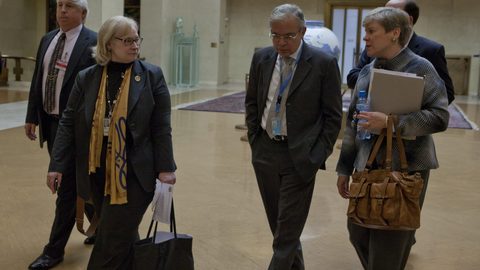 London International Model United Nations
LIMUN accepts individual delegates readily, which changes everything for applicants without a university MUN society. How solo registration shapes the conference.
London International Model United Nations
LIMUN accepts individual delegates readily, which changes everything for applicants without a university MUN society. How solo registration shapes the conference.
-
 Berlin Model United Nations
BERMUN is a THIMUN-affiliated school-level conference in Berlin where procedure is driven by formal speakers' lists and lobbying, not moderated caucus.
Berlin Model United Nations
BERMUN is a THIMUN-affiliated school-level conference in Berlin where procedure is driven by formal speakers' lists and lobbying, not moderated caucus.
-
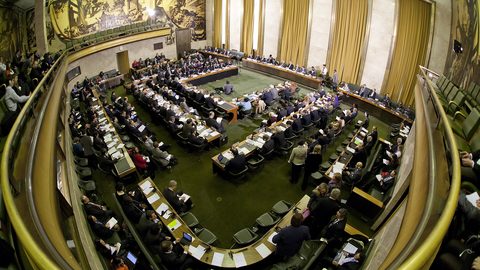 Harvard Model United Nations
What a delegation needs before applying to HMUN: Harvard procedure, competitive awards, and the moderated caucus system explained.
Harvard Model United Nations
What a delegation needs before applying to HMUN: Harvard procedure, competitive awards, and the moderated caucus system explained.
-
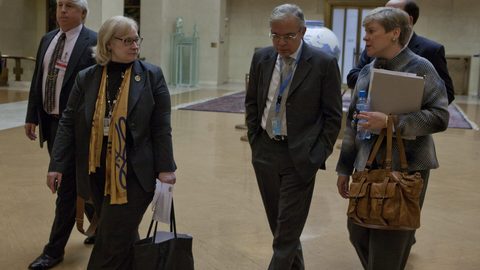 WorldMUN
's rotating host city makes it the most internationally mixed university conference and the most expensive to attend. What the rotation means for delegates.
WorldMUN
WorldMUN's rotating host city makes it the most internationally mixed university conference and the most expensive to attend. What the rotation means for delegates.
-
 Oxford International Model United Nations
OxIMUN and LIMUN are cross-shopped constantly. The practical differences in registration, committee size, and Oxford vs. London logistics compared.
Oxford International Model United Nations
OxIMUN and LIMUN are cross-shopped constantly. The practical differences in registration, committee size, and Oxford vs. London logistics compared.
-
 THIMUN Procedure vs Harvard Parliamentary Procedure: What a Delegate Does Differently
A delegate-facing comparison of THIMUN and Harvard parliamentary procedure, covering speaking, document-building, and coalition-forming differences.
THIMUN Procedure vs Harvard Parliamentary Procedure: What a Delegate Does Differently
A delegate-facing comparison of THIMUN and Harvard parliamentary procedure, covering speaking, document-building, and coalition-forming differences.