MUN Resolution Sponsors and Signatories
The functional difference between a sponsor and a signatory on a MUN resolution, how many signatories are required, and the strategy for gathering each.
MUN Sponsors and Signatories: What New Delegates Get Wrong
Most first-time delegates assume that signing a draft resolution means supporting it. That is the opposite of the truth. In Harvard-style and NMUN procedure, a signatory signature means only that you want the resolution debated, not that you will vote for it. A sponsor signature means you wrote the text and you must vote for it. The confusion costs delegates votes, bloc positions, and awards every conference season. The distinction is procedural, absolute, and easy to exploit once you know how each role works.
THIMUN procedure does not use signatories at all. A resolution requires a main submitter and at least one co-submitter, and everyone on that list approves every change. There is no middle ground. Harvard-style and NMUN resolutions require both sponsors and signatories, with separate rules for each. The conference you attend decides which system applies, and your delegate pack will tell you the exact numbers. Never assume the rules from your last conference carry over.
The minimum signatory count for a draft resolution is one-third of the committee in Harvard-style procedure and one-quarter in NMUN, counting sponsors as part of that total. If your committee has 60 delegates, you need at least 20 signatures including your sponsors. THIMUN needs no signatories but requires at least two sponsors. Every conference publishes its threshold in the delegate pack. If you cannot find it, email the dais before the conference. Guessing wrong at submission time means your resolution is not debated.
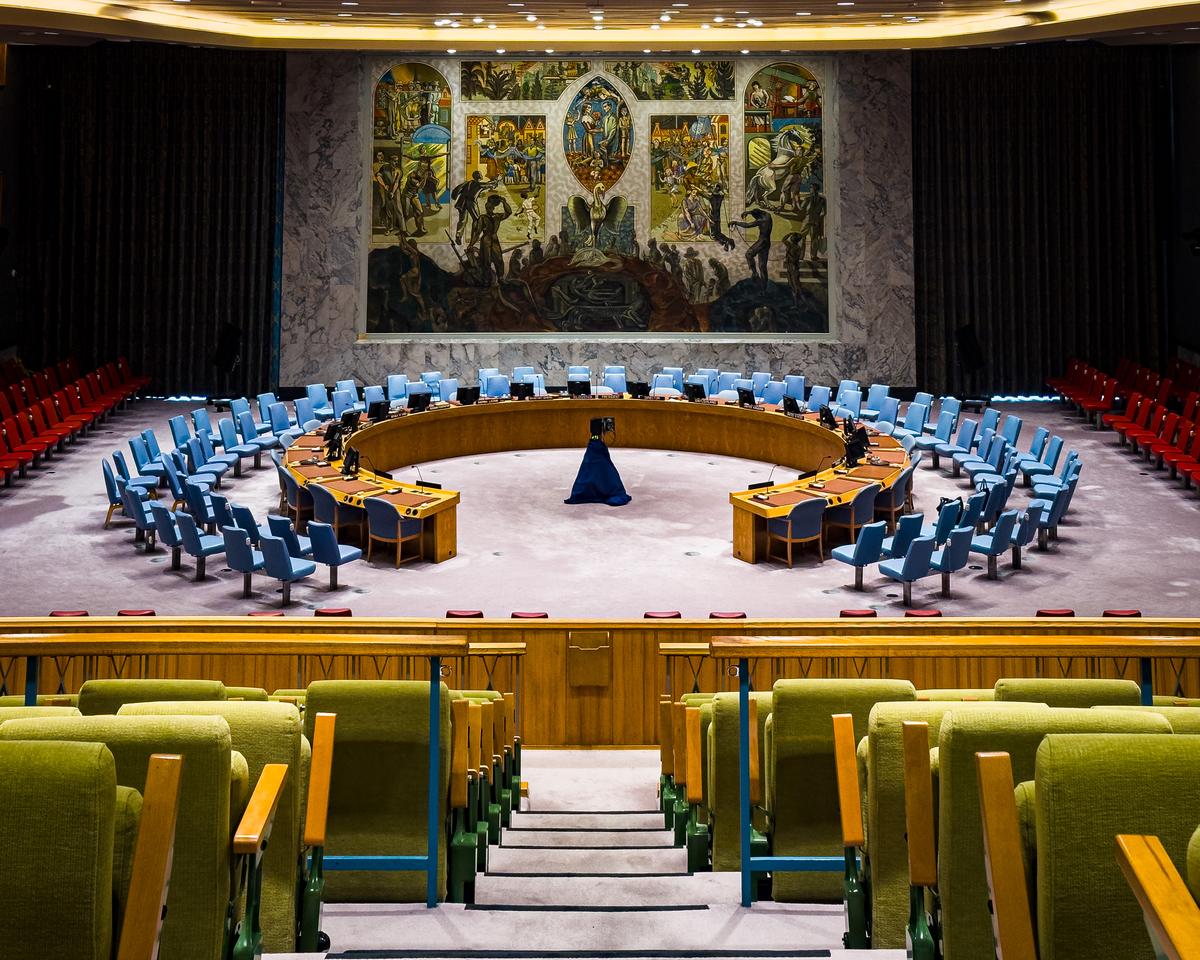

Sponsor vs Signatory MUN: The Functional Difference
What A Sponsor Commits To
A sponsor is an author. You write operative clauses, negotiate preambulatory language, and commit to supporting the final text in a vote. The HMUN Rules of Procedure define a sponsor as a delegate who has contributed substantively to the writing of a draft resolution and intends to see it debated. The NMUN definition is identical in effect: a delegate who has authored or co-authored a draft resolution and supports its passage. Both systems require sponsors to vote in favour of their own resolution. You cannot sponsor and then abstain or vote no.
What A Signatory Really Means
A signatory is a petitioner. You want the committee to discuss the resolution, but you have no editorial control over its content. The HMUN rules define a signatory as a delegate who wishes to see a draft resolution debated but has not necessarily contributed to its writing. NMUN uses the same language. Signatories may vote against the resolution after signing it. That is the key difference: signatories can change their minds; sponsors cannot.
This creates a strategic imbalance. A sponsor bloc controls the text, but every sponsor added reduces your flexibility because each one must approve all changes including friendly amendments. A signatory bloc gives you debating time without giving you control. The smart move is to keep your sponsor group small and your signatory list large, but that only works if you understand the amendment consent rules for each conference.
How to Get Signatories MUN: The Practical Method
You gather signatories during unmoderated caucus. Walk to every delegate who is not in your bloc and ask two questions: what is your country, and would you like to see a resolution on this sub-topic debated. Do not ask if they agree with your clauses. Do not hand them a draft. Ask only if they want the committee to discuss the issue. Most delegates will say yes because a signatory signature costs them nothing and gets them into the conversation.
Target delegates from countries whose stated policy aligns with your resolution's core idea. The position papers submitted before the conference are your cheat sheet for this. If a delegate wrote a position paper that matches your operative clauses, they are a natural signatory. If their policy opposes yours, asking them to sign is a trap: they will sign, then work against your resolution in debate, and you cannot block them because signatory withdrawal is not allowed after submission in Harvard-style or NMUN procedure.
The failure mode is collecting signatories who will vote against you. A delegate who signs only to ensure your resolution is on the floor, then uses debate time to attack your text, has wasted your signature count. Screen for voting intention before you ask for the signature. A good question is: if this resolution comes to a vote today, would you vote yes, no, or abstain? If the answer is no or abstain, do not collect their signature. Find a different delegate.
| Conference | Procedure Type | Minimum Sponsors | Signatory Requirement | Sponsor Voting Obligation | Signatory Voting Obligation |
|---|---|---|---|---|---|
| THIMUN The Hague | THIMUN | 2 (1 main + 1 co-submitter) | None | Must vote yes | Not applicable |
| HMUN Boston | Harvard-style | 1/5 of committee, rounded up | 1/3 of committee including sponsors | Must vote yes | May vote no |
| NMUN New York | NMUN | 1/5 of committee, rounded up | 1/4 of committee including sponsors | Must vote yes | May vote no |
MUN Resolution Sponsor Requirements: THIMUN vs Harvard vs NMUN
THIMUN: The Two-Person Rule
The minimum sponsor count for THIMUN is two: one main submitter and one co-submitter. That is the entire requirement. There is no signatory threshold because THIMUN procedure uses no signatories. The THIMUN Rules of Procedure define only the main submitter and co-submitters, and the term signatory does not appear. If you are at THIMUN, your only task is to find one other delegate who wants to merge your resolutions with theirs during lobbying. The output is a single consensus document passed by the room, not a competition between multiple drafts.
Harvard-Style And NMUN Thresholds
Harvard-style conferences including HMUN, Yale MUN, Georgetown NAIMUN, and WorldMUN require at least one-fifth of the committee as sponsors, rounded up. In a 50-delegate committee, that is 10 sponsors. The signatory requirement is one-third of the committee including your sponsors, so in that same 50-delegate committee you need 17 signatures total, meaning 7 signatories beyond your 10 sponsors. NMUN requires one-fifth of the committee as sponsors and one-quarter of the committee as signatories including sponsors. In a 60-delegate committee, that is 12 sponsors and 15 signatories total, so you need 3 signatories beyond the sponsors.
The Withdrawal Risk
When your sponsor count drops below the minimum because a sponsor withdraws before voting, the resolution is tabled in Harvard-style and NMUN procedure. That is a real risk. A sponsor who leaves your bloc during unmoderated caucus can kill your resolution if you have no replacement. Always recruit at least one extra sponsor beyond the minimum to absorb a withdrawal. In THIMUN, if all sponsors withdraw, the resolution fails, but the merger-based procedure makes that rare because sponsors are the product of the lobbying process, not of initial recruitment.
Signatory Count MUN Resolution: The Numbers You Need
The exact signatory count you need is published in your delegate pack. No two conferences use identical numbers. The HMUN 2024 rules specify one-third of the committee including sponsors. The NMUN 2024 rules specify one-quarter. Some smaller conferences or crisis committees may use a flat number like 10 signatories regardless of committee size. Check your delegate pack before you write a single operative clause. If the pack does not state the threshold, email the conference secretariat. A resolution submitted without meeting the signatory threshold is rejected by the dais, and you lose the debate time you spent drafting it.
Committee size ratios matter. A General Assembly committee at HMUN might have 100 delegates, meaning you need 20 sponsors and 34 signatories including those sponsors. That is a lot of signatures. An ECOSOC committee at NMUN with 40 delegates requires 8 sponsors and 10 signatories including sponsors. In the smaller committee, you can collect the signatures in one unmoderated caucus. In the large committee, you need to start recruiting on day one and maintain your list through lobbying sessions.
Delegate packs sometimes include a maximum sponsor limit. THIMUN has no formal upper limit in the rules, but practice varies by committee size and the chair may impose a de facto cap to keep the resolution manageable. Harvard-style and NMUN have no upper limit, but every sponsor must approve the text, so adding sponsors past a certain point makes amendment consent impossible. If you have 30 sponsors, you need all 30 to agree before a friendly amendment is added. That is a coordination nightmare.
Strategic Recruitment: Sponsor Bloc Politics and Merger Negotiation
Sponsor Recruitment Is A Commitment
Recruiting a sponsor is a commitment. That delegate becomes part of your bloc and must approve every change to the resolution including friendly amendments. Unfriendly amendments do not require sponsor consent but require a vote by the committee, which your bloc can defeat if you hold the voting majority. The amendment consent rules in THIMUN require approval from the original main submitter or a majority of sponsors. In Harvard-style, amendments require a fraction of sponsors and signatories matching the original submission threshold. In NMUN, amendments require one-fifth of the committee as sponsors.
Negotiating A Merger
When you negotiate a merger between two blocs, the sponsor list is the first thing you discuss. The larger bloc will want more sponsors to ensure control over the merged text. The smaller bloc will want sponsor positions to protect its operative clauses. The compromise is a proportional split: if your bloc has 60% of the delegates backing it, you get 60% of the sponsor slots. Do not accept fewer sponsor slots than your delegate count justifies. That gives the other bloc amendment approval rights over your content.
The most common failure in merger negotiation is agreeing to a merger where your bloc becomes a minority of sponsors. Your operative clauses get amended out because the majority sponsors approve the change, and you cannot stop it. Insist on a written agreement before the merger: our clauses stay, your clauses stay, and any conflict is resolved by a vote among sponsors. If the other bloc refuses, walk away and run your resolution separately. A clean loss in a vote is better than a merger that erases your work.
Sponsor Approval Rights and Amendment Consent
A friendly amendment requires the consent of all sponsors. If one sponsor objects, the amendment is classified as unfriendly and requires a committee vote. Each sponsor holds veto power over text changes. Use it. If a delegate from another bloc asks to add a clause that weakens your position, object as a sponsor and force them to win the vote in committee. Your bloc controls the voting majority, so the unfriendly amendment fails.
In THIMUN procedure, the amendment sponsorship requirement is clearer: amendments need approval from the original main submitter or a majority of sponsors. The main submitter can block amendments alone, making that position the most powerful in the resolution process. If you are the main submitter, never give up that role in a merger negotiation. Keep your name at the top of the sponsor list.
Harvard-style procedure treats amendment sponsorship differently. An amendment requires a fraction of sponsors and signatories matching the original submission threshold. If your resolution needed one-fifth of the committee as sponsors and one-third as signatories, a proposed amendment needs one-fifth of the committee backing it as sponsors and one-third as signatories. This makes it harder to amend a resolution with broad support because the amendment requires the same level of backing as the original resolution.
Chair Verification and Resolution Submission
Verify Before You Submit
Before you submit your draft resolution, approach the dais during an unmoderated caucus and ask the chair to verify your sponsor and signatory count. A chair who sees a resolution with the minimum count may warn you that a withdrawal could table it. A chair who spots a procedural error in your formatting can tell you before you waste submission time. Use the chair as a resource, not an obstacle.
Submission Windows And Formatting
Resolution submission procedures vary. At HMUN, you submit a printed copy to the dais with signatures attached. At NMUN, you submit an electronic copy through the conference portal. At THIMUN, you submit during the lobbying session after the merger deadline. Know your conference's submission window. Missing it by five minutes means your resolution is not debated.
Delegate pack rules for submission are absolute. Some conferences require a specific font size and margins. Some require a list of signatories on a separate page. Some require the main submitter's name at the top. Read the submission rules the night before committee starts. Do not assume the chair will accept a resolution that violates formatting rules, even if the content is excellent. Most chairs will reject it and tell you to resubmit, costing you time in the submission queue.
Signatory Withdrawal Rules and Committee Power Limits
The No-Withdrawal Lock
The rule that signatories cannot withdraw after submission is a power limit on the committee. Once the resolution is on the floor, the dais will not remove a signature even if the delegate who signed changes their mind. This protects the resolution from being sabotaged by a delegate who signs, then withdraws, reducing the count below the threshold and tabling the document. It also means you cannot remove a signatory who turns hostile during debate. Your only option is to win the vote despite them.
Collecting Signatures At Scale
Committee size limits the number of signatories you can realistically collect. In a 100-delegate General Assembly, you need 34 signatures. That is 34 individual conversations, each requiring you to explain what a signatory is and why the delegate should sign. Experienced delegates bring a signatory sheet with pre-printed language explaining the role. Novices spend half an unmoderated caucus explaining the basic distinction. Save time by printing a signatory request form that says: 'By signing, I request that this draft resolution be debated. I am not obligated to vote for it.' Hand it to delegates and let them read it themselves.
The committee-power limit behind signatory thresholds is simple: a resolution that cannot attract one-third of the committee's attention is probably not worth debating. The threshold filters out weak or uncoordinated blocs and ensures that only resolutions with real committee interest reach the floor. If you cannot find enough signatories, the problem is not the threshold but your bloc's inability to build coalition support. Go back to the lobbying table and negotiate.
Common Questions
Can a signatory vote against the resolution they signed?
Yes. In Harvard-style and NMUN procedure, a signatory may vote against the resolution. The signature indicates only that the delegate wants the resolution debated, not that they support its content. THIMUN does not use signatories, so this question does not apply.
What happens if a sponsor withdraws after submission?
In Harvard-style and NMUN procedure, if the sponsor count drops below the minimum, the resolution is tabled and not debated. In THIMUN, if all sponsors withdraw, the resolution fails. Recruit one extra sponsor beyond the minimum to absorb a withdrawal.
Can a signatory withdraw their signature after submission?
No. In Harvard-style and NMUN procedure, signatories may not withdraw after the draft resolution has been submitted to the dais. Check your delegate pack for the exact rule, as some conferences may vary.
How many sponsors do I need for a THIMUN resolution?
Minimum two: one main submitter and one co-submitter. There is no signatory requirement. The THIMUN Rules of Procedure do not use the term signatory.
What is the signatory count for a 60-delegate committee at HMUN?
One-third of the committee including sponsors, so 20 signatures total. With 12 sponsors required (one-fifth), you need 8 signatories beyond the sponsors.
What if my delegate pack does not state the signatory threshold?
Email the conference secretariat before the conference. Do not guess. A resolution submitted with too few signatories is rejected by the dais and not debated.
Can I sponsor a resolution and also be a signatory for a different one?
Yes, in Harvard-style and NMUN procedure. You can sponsor one resolution and signatory another, as long as you meet the minimum sponsor requirements for your own resolution. The signatory signature does not obligate you to vote for that resolution.
Read next
-
 Writing MUN Resolutions: The Complete Section Hub for Drafting and Passing
The hub for writing MUN resolutions: route yourself by what you are trying to do, from formatting clauses to merging draft resolutions, with real examples and committee-power limits.
Writing MUN Resolutions: The Complete Section Hub for Drafting and Passing
The hub for writing MUN resolutions: route yourself by what you are trying to do, from formatting clauses to merging draft resolutions, with real examples and committee-power limits.
-
 THIMUN Procedure vs Harvard Parliamentary Procedure: What a Delegate Does Differently
A delegate-facing comparison of THIMUN and Harvard parliamentary procedure, covering speaking, document-building, and coalition-forming differences.
THIMUN Procedure vs Harvard Parliamentary Procedure: What a Delegate Does Differently
A delegate-facing comparison of THIMUN and Harvard parliamentary procedure, covering speaking, document-building, and coalition-forming differences.
-
 HMUN vs HNMUN: The Difference Between Harvard's Two MUN Conferences
HMUN is Harvard's high school MUN conference in Boston; HNMUN is its university-level counterpart. Applying to the wrong one wastes an application cycle.
HMUN vs HNMUN: The Difference Between Harvard's Two MUN Conferences
HMUN is Harvard's high school MUN conference in Boston; HNMUN is its university-level counterpart. Applying to the wrong one wastes an application cycle.
-
 LIMUN vs OxIMUN: Comparing the UK's Two Largest University MUN Conferences
LIMUN and OxIMUN are the UK's two largest university MUN conferences. The practical difference is the admission route for a delegate without a society.
LIMUN vs OxIMUN: Comparing the UK's Two Largest University MUN Conferences
LIMUN and OxIMUN are the UK's two largest university MUN conferences. The practical difference is the admission route for a delegate without a society.
-
 Best MUN Conferences for a First Conference, Ranked on Survivability
MUN conferences ranked on what makes them survivable for a first-time delegate—beginner committees, published rules, and realistic applications—not on prestige.
Best MUN Conferences for a First Conference, Ranked on Survivability
MUN conferences ranked on what makes them survivable for a first-time delegate—beginner committees, published rules, and realistic applications—not on prestige.