Writing Model United Nations Resolutions
The hub for writing MUN resolutions: route yourself by what you are trying to do, from formatting clauses to merging draft resolutions, with real examples and committee-power limits.
Writing Model United Nations Resolutions
You are in committee, your bloc has a position, and the working paper in front of you needs to become a draft resolution before the deadline. Where you start depends on whether you are under THIMUN lobbying rules or Harvard-style caucus rules. Those two procedural families produce entirely different paths to a finished text. The guides beneath this hub show real preambulatory and operative clause examples and explain the committee-power limits behind them. What you get here is a route to the right guide based on what you are trying to do right now. A resolution is a formal document proposing action by the committee. Preambulatory clauses state the problem and cite authority, the UN Charter chapter or previous resolutions, using italicised verbs from a closed list. Operative clauses propose specific action, each with an underlined verb. A sponsor is a delegate whose name appears on the resolution as a primary author; a signatory supports putting the document to debate without necessarily agreeing with every word. A working paper is an unformatted draft that becomes a draft resolution once it has sponsors and signatories. All of this operates under two models: the THIMUN single-consensus model, where the committee merges multiple working papers into one resolution before debate, and the Harvard multi-resolution model, where competing draft resolutions go to a vote. Your first move, merge, sponsor, amend, or abandon, depends on which one you are in.
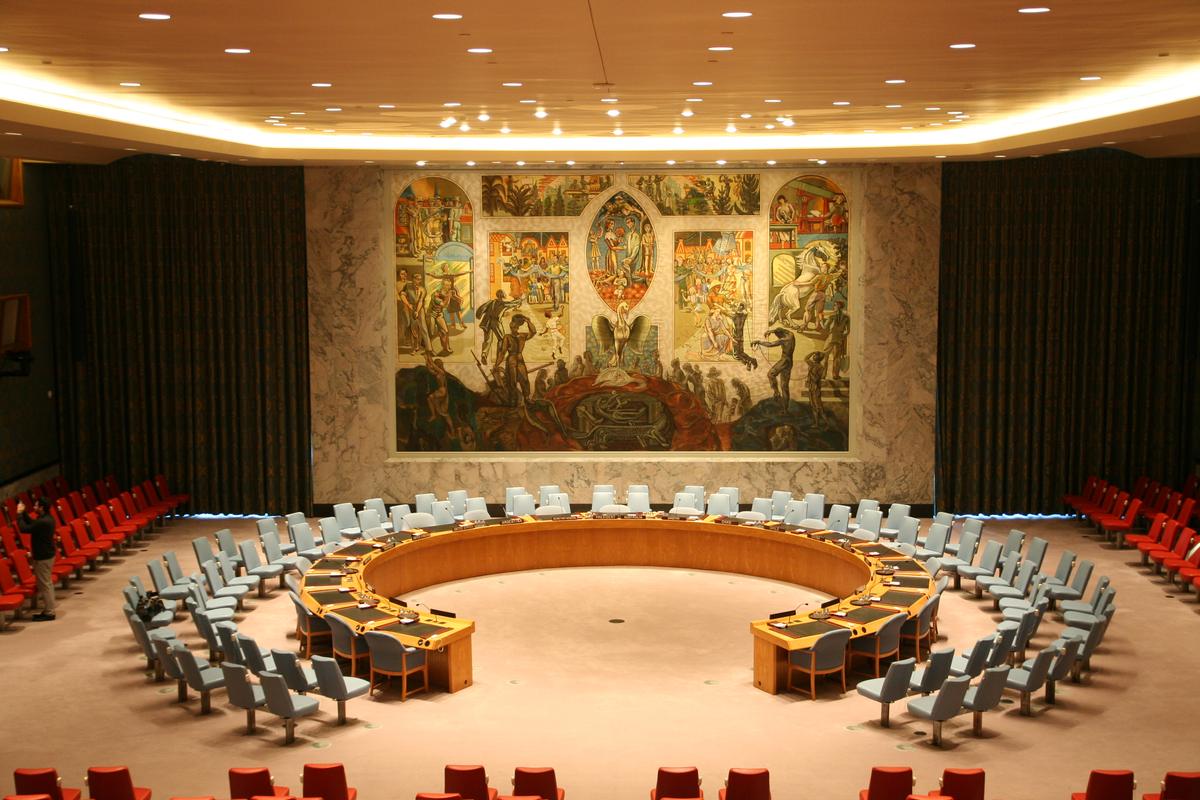

- Resolution Definition: A formal document that proposes action by the committee, composed of preambulatory and operative clauses.
- Preambulatory Clause: States the problem and cites authority; verbs italicised from a closed list; no numbering.
- Operative Clause: Proposes specific action; verbs underlined; numbered sequentially.
- Sponsor: Primary author of the resolution; name appears on the document as a main submitter.
- Signatory: Supports putting the resolution to debate without necessarily endorsing every clause.
- Working Paper: Unformatted draft that becomes a draft resolution once sponsors and signatories are attached.
- THIMUN Model: Single-consensus: lobbying merges working papers into one resolution before formal debate.
- Harvard Model: Multi-resolution: competing draft resolutions proceed to caucus and vote; amendments common.
How To Write A MUN Resolution
If you have never written a resolution before, start by understanding the clause structure. Every resolution opens with preambulatory clauses that establish the factual and legal basis for action. Each preambulatory clause begins with an italicised verb such as Affirming, Cognizant of, or Recognizing. THIMUN procedure publishes a closed list of these verbs; Harvard-style conferences allow the same set by convention. Preambulatory clauses are never numbered. They end with a comma, not a full stop. After the preambulatory section comes the operative section, where each clause begins with an underlined verb such as Decides, Urges, Requests, or Establishes. Operative clauses are numbered. Each ends with a semicolon except the final one, which ends with a full stop. A resolution that fails this formatting will be rejected by the dais at most conferences, regardless of content quality. The practical implication is clear: get a template from your conference's rules of procedure and match it exactly. Do not invent formatting.
MUN Resolution Format Guide
Format is not decoration; it is the mechanism by which chairs assess whether a document is in order. A delegate who submits a resolution with the wrong verb, unitalicised preambulatory clauses, or unnumbered operative clauses has produced a document that cannot be debated until corrected. The time lost to fixing formatting errors in unmoderated caucus kills your bloc's momentum.
THIMUN Templates
For THIMUN: preambulatory clauses in block paragraphs with italicised verbs, followed by numbered operative clauses with underlined verbs. A header identifying the committee, topic, sponsors, and signatories appears above the clause text.
Harvard Variations
For Harvard: the same clause structure applies, but numbering conventions vary by conference. Some Harvard-style committees number preambulatory clauses as well. Some require operative clause verbs to be in bold rather than underlined. Check the study guide for the specific conference. The one universal rule is that a resolution must have at least one operative clause. A document with only preambulatory text is a statement, not a resolution, and will not be accepted.
Draft Resolution MUN: From Working Paper To Final Text
A working paper is the raw material. It has no formatting, no sponsors, no signatories. It is a document your bloc writes during unmoderated caucus or lobbying time to capture the agreement you have reached. Once the working paper is typed, formatted, and submitted to the dais with the required number of sponsors and signatories, it becomes a draft resolution.
THIMUN Mergers
Under THIMUN, the draft resolution then enters the merger phase, where your bloc negotiates with other blocs to produce a single merged text. The merger process forces you to compromise on clauses to keep the resolution alive.
Harvard Competition
Under Harvard, the draft resolution is introduced to committee, read out by the chair, and becomes one of several competing documents that will be debated in moderated caucus. Once the draft resolution is introduced, other delegates can propose unfriendly amendments that change your operative clauses without your consent. Draft early, but do not submit until you are sure the text represents your bloc's minimum acceptable position.
MUN Resolution Examples: What Real Clauses Look Like
Seeing a complete resolution is the fastest way to understand clause structure, but examples must come with a warning. Every conference's rules of procedure specify which verbs are permitted and whether sub-clauses are numbered with letters or roman numerals. A General Assembly resolution format differs from a Security Council resolution format in the authority cited in the preambulatory section. A Security Council resolution cites the UN Charter chapter under which it acts. A General Assembly resolution cites previous resolutions and UN reports. Crisis committees do not use standard resolutions at all; they issue directives written in operative-only format, addressed to the crisis staff, and may include personal portfolio actions such as deploying troops or allocating budget. The examples section provides one complete resolution for each major committee type, annotated to show where the formatting rules apply. Use them as templates, not as content. The content of your resolution must reflect your assigned country's policy, not the example.
Sponsorship, Signatory Requirements, And Amendment Paths
The difference between a sponsor and a signatory determines who controls the text. A sponsor is a primary author who must approve any changes to the resolution. A signatory is a delegate who supports putting the resolution to debate without necessarily agreeing with every clause. Under THIMUN, the minimum is two delegations: one main submitter and one co-submitter. Under Harvard, the requirement is a percentage of committee membership, often 20%, who must sign the resolution before it can be introduced, according to HMUN's 2024 rules. The signatory requirement is a filter. If you cannot find enough delegates to sign your resolution, it does not reach the floor. That is by design. It forces blocs to negotiate with the broader committee before debate begins.
Friendly And Unfriendly Amendments
Amendments follow two paths. A friendly amendment is accepted by all sponsors and inserted without a vote. An unfriendly amendment is voted on by the committee. Under THIMUN, unfriendly amendments can be oral or written. Under Harvard, unfriendly amendments are written and distributed before a vote. The amendment frequency is structurally absent in THIMUN because the single-consensus model resolves most disagreements during merger. In Harvard-style committees, amendment frequency can exceed one per hour of debate, and managing that flow is a separate skill.
THIMUN Lobbying Versus Harvard Caucus: Your First Decision
Your first decision in committee is which procedural context you are in, because it determines everything about resolution strategy. Under THIMUN lobbying, the goal is to merge your working paper with other blocs' working papers into a single resolution that the entire committee can support. The lobbying phase is unmoderated time, often the majority of committee hours, during which delegates move freely, negotiate clause by clause, and form the alliances that will carry the final text. Under Harvard caucus, the goal is to build a bloc strong enough to pass your resolution over the objections of other blocs. Unmoderated caucus is used to consolidate your bloc, negotiate with potential swing voters, and prepare amendments to weaken competing resolutions. The Harvard model produces multiple resolutions per topic, and the chair calls a vote on each in order of introduction or by a priority determined by the committee. The single most common error for a first-time delegate in either system is to prepare a resolution in isolation before committee begins. In THIMUN, that resolution will be merged into something unrecognisable. In Harvard, it will be amended into something you did not write. Prepare policy positions, not draft text, and write clauses in committee with your bloc.
Committee Mandate And Clause Legitimacy
An operative clause that proposes action outside the committee's mandate will be ruled out of order by the chair. This is the most common reason a resolution fails on procedural grounds, and it is entirely avoidable. A General Assembly committee can recommend, request, and establish bodies, but it cannot impose binding sanctions or authorise military action. Those powers belong to the Security Council, and a Security Council resolution must cite the specific UN Charter chapter under which it acts. An ECOSOC committee can make recommendations to member states and to UN specialised agencies, but it cannot direct them. A crisis committee, by contrast, empowers delegates with personal portfolios, budget, military assets, and political authority, and directives can include binding actions within that portfolio. The chair enforces mandate boundaries, and a delegate who writes a clause that exceeds them has wasted unmoderated caucus time. Research your committee's mandate in the study guide before you write a single operative clause. If the guide does not specify, ask the chair during the first committee session.
Merging Resolutions And The Bloc System
In THIMUN, the merger is the central event of the committee. Two or more blocs each have a draft resolution. The chair or a designated merger group facilitates negotiations to produce a single merged text. Blocs that refuse to merge risk producing no output at all, because the committee votes on only one resolution per topic. If neither bloc yields, neither resolution passes, and the committee fails its mandate. The skill of merger is knowing which clauses are deal-breakers for your bloc and which are negotiable. Experienced THIMUN delegates arrive at merger with a hierarchy of clauses: the ones they will defend to the end, the ones they will trade, and the ones they will drop.
How Harvard Blocs Operate
In Harvard, the bloc system operates differently. Blocs compete. The goal is not consensus but a winning coalition. A bloc that cannot secure a majority may still influence the outcome by amending the winning bloc's resolution from the floor. The Harvard model rewards flexibility and coalition-building across multiple resolutions, not merger negotiation. The distinction is fundamental and determines how you spend your unmoderated caucus time.
THIMUN The Hague And HMUN: Two Flagship Contexts
THIMUN The Hague, hosted at the World Forum Convention Center in The Hague, Netherlands, runs the purest form of the lobbying-based, single-consensus model. Delegates attend in school delegations only. The conference issues no awards, the THIMUN Foundation does not give gavels, and individual conferences within the THIMUN network may issue certificates. The resolution output is one per topic, achieved through merger.
The HMUN Experience
HMUN, run by the Harvard International Relations Council in Boston, Massachusetts, runs the Harvard-style multi-resolution model with competitive awards including Best Delegate, Outstanding Delegate, and Honorable Mention. HMUN's crisis committees feature a backroom crisis staff that processes directives in real time and issues updates. Both conferences draw large delegate cohorts each year, but the experience of writing a resolution at each is incomparable. At THIMUN The Hague, you spend most of your time in lobbying, building a single document that carries the room. At HMUN, you spend your time in caucus, building a coalition that can outvote the room. Choose the conference that matches how you prefer to negotiate.
When To Sponsor, When To Sign, When To Walk Away
Sponsoring a resolution commits you to defending its text through merger and amendment. Signing commits you only to supporting its introduction to debate. The strategic decision between the two depends on your position in the committee. If you are in a dominant bloc with a clear majority, sponsor. You control the text and the timeline. If you are in a minority position or unsure whether the resolution will survive merger, sign. That keeps your options open and lets you support a different resolution later without the reputation damage of abandoning a resolution you sponsored. If no resolution on the floor represents your country's policy, you can walk away, vote against, abstain, or submit a non-binding working paper that expresses your position without seeking passage. A delegate who sponsors a resolution they do not believe in loses credibility with the chair and with other delegates. The award criteria at most conferences, however opaque, include diplomacy and negotiation. Sponsoring a resolution you cannot defend is the fastest way to lose both.
Who The Resolution Process Suits And Who Should Skip It
The resolution writing process suits delegates who enjoy structured negotiation, procedural precision, and coalition-building under time pressure. It rewards the delegate who can identify a bloc's minimum acceptable position and defend it through merger, amendment, and vote. It does not suit a delegate who wants to debate ideas freely without formal constraints, or who expects their individual voice to carry the committee. Resolution writing is a team activity, and the best-written clause will not pass if the bloc behind it cannot negotiate. A parent evaluating whether MUN is worth the cost should know that the resolution process teaches coalition-building and procedural thinking, but it does not teach international relations. A delegate who wants to learn geopolitics should read the UN's own documentation system. A delegate who wants to learn how to pass a document through a simulated legislative body under artificial time pressure should start with the clause structure, join a bloc, and be ready to merge.
More in Writing resolutions
-
 MUN resolution format
The standard MUN resolution format from heading block through final operative clause, with real examples and the differences between THIMUN and Harvard-style conferences.
MUN resolution format
The standard MUN resolution format from heading block through final operative clause, with real examples and the differences between THIMUN and Harvard-style conferences.
-
 Operative clauses
How to write MUN operative clauses that are specific and actionable while staying within the actual powers of the committee, from Security Council binding decisions to General Assembly recommendations.
Operative clauses
How to write MUN operative clauses that are specific and actionable while staying within the actual powers of the committee, from Security Council binding decisions to General Assembly recommendations.
-
 Preambulatory clauses
What preambulatory clauses do in a MUN resolution, the italicised-verb phrasing convention that works, and why they must frame the committee's mandate rather than summarise the study guide.
Preambulatory clauses
What preambulatory clauses do in a MUN resolution, the italicised-verb phrasing convention that works, and why they must frame the committee's mandate rather than summarise the study guide.
-
 Sponsors and signatories
The functional difference between a sponsor and a signatory on a MUN resolution, how many signatories are required, and the strategy for gathering each.
Sponsors and signatories
The functional difference between a sponsor and a signatory on a MUN resolution, how many signatories are required, and the strategy for gathering each.
-
 Working papers
How a MUN working paper develops from caucus notes to a chair-approved draft resolution, with the THIMUN single-paper and Harvard multi-paper paths explained.
Working papers
How a MUN working paper develops from caucus notes to a chair-approved draft resolution, with the THIMUN single-paper and Harvard multi-paper paths explained.
Common Questions
What is the difference between a sponsor and a signatory?
A sponsor is a primary author who must approve any changes to the resolution text. A signatory supports putting the resolution to debate without necessarily agreeing with every clause. Under THIMUN, the minimum is two delegations: one main submitter and one co-submitter. Under Harvard, the requirement is 20% of committee membership, per HMUN's 2024 rules.
Can I write a resolution before the conference starts?
You can prepare policy positions and research, but writing a full resolution before committee begins is a mistake. In THIMUN, your resolution will be merged with other blocs' text. In Harvard, it will be amended on the floor. Prepare to write clauses in committee with your bloc, not in isolation.
What happens if my resolution has no operative clauses?
A document with only preambulatory text is a statement, not a resolution, and will not be accepted by the dais. A resolution must have at least one operative clause to be valid.
How do I know if my committee can act on what I propose?
Research your committee's mandate in the study guide. A General Assembly committee cannot impose binding sanctions. A Security Council resolution must cite the UN Charter chapter under which it acts. A clause outside the committee's mandate will be ruled out of order.
Why do blocs fail to merge in THIMUN?
Blocs fail to merge when neither side is willing to yield on a clause each considers essential. The result is no resolution passes, and the committee produces no output. Skilled delegates arrive at merger with a hierarchy of clauses: non-negotiable, tradeable, and droppable.
Read next
-
Sponsors and signatories
The functional difference between a sponsor and a signatory on a MUN resolution, how many signatories are required, and the strategy for gathering each.
-
Operative clauses
How to write MUN operative clauses that are specific and actionable while staying within the actual powers of the committee, from Security Council binding decisions to General Assembly recommendations.
-
Working papers
How a MUN working paper develops from caucus notes to a chair-approved draft resolution, with the THIMUN single-paper and Harvard multi-paper paths explained.
-
MUN resolution format
The standard MUN resolution format from heading block through final operative clause, with real examples and the differences between THIMUN and Harvard-style conferences.
-
Preambulatory clauses
What preambulatory clauses do in a MUN resolution, the italicised-verb phrasing convention that works, and why they must frame the committee's mandate rather than summarise the study guide.
-
 THIMUN Procedure vs Harvard Parliamentary Procedure: What a Delegate Does Differently
A delegate-facing comparison of THIMUN and Harvard parliamentary procedure, covering speaking, document-building, and coalition-forming differences.
THIMUN Procedure vs Harvard Parliamentary Procedure: What a Delegate Does Differently
A delegate-facing comparison of THIMUN and Harvard parliamentary procedure, covering speaking, document-building, and coalition-forming differences.
-
 HMUN vs HNMUN: The Difference Between Harvard's Two MUN Conferences
HMUN is Harvard's high school MUN conference in Boston; HNMUN is its university-level counterpart. Applying to the wrong one wastes an application cycle.
HMUN vs HNMUN: The Difference Between Harvard's Two MUN Conferences
HMUN is Harvard's high school MUN conference in Boston; HNMUN is its university-level counterpart. Applying to the wrong one wastes an application cycle.
-
 LIMUN vs OxIMUN: Comparing the UK's Two Largest University MUN Conferences
LIMUN and OxIMUN are the UK's two largest university MUN conferences. The practical difference is the admission route for a delegate without a society.
LIMUN vs OxIMUN: Comparing the UK's Two Largest University MUN Conferences
LIMUN and OxIMUN are the UK's two largest university MUN conferences. The practical difference is the admission route for a delegate without a society.
-
 Best MUN Conferences for a First Conference, Ranked on Survivability
MUN conferences ranked on what makes them survivable for a first-time delegate—beginner committees, published rules, and realistic applications—not on prestige.
Best MUN Conferences for a First Conference, Ranked on Survivability
MUN conferences ranked on what makes them survivable for a first-time delegate—beginner committees, published rules, and realistic applications—not on prestige.