The Complete Guide to Model United Nations for Someone Who Has Never Done It
A complete walkthrough of what happens in a Model United Nations committee, defining every term for someone who has never attended a conference.

What is Model United Nations a Complete Guide for Someone Who Has Never Done it
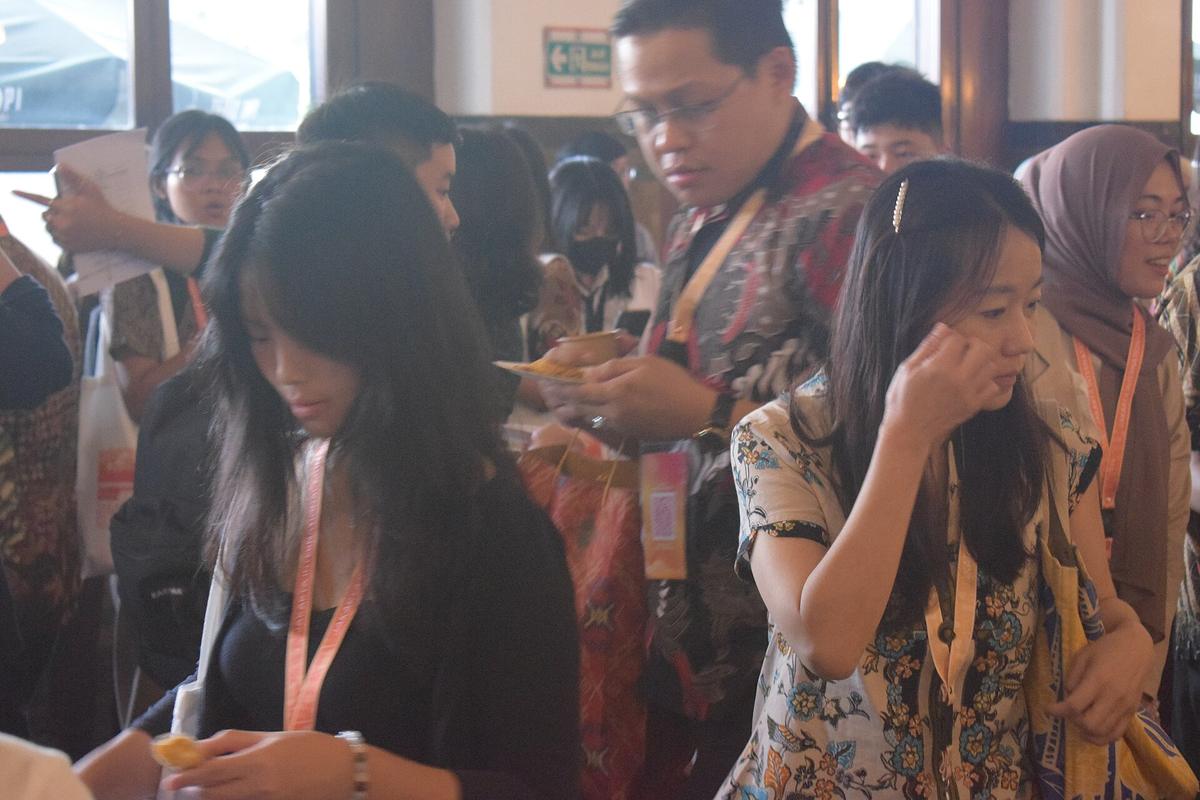
You walk into a hotel ballroom in Boston, New York, or The Hague. Two hundred other teenagers in suits sit behind placards marked "China," "France," "Nigeria." At the front, three university students, the dais, tap microphones and shuffle papers. You have a country. You have a placard. You have no idea what happens next.
This is a what is Model United Nations complete guide for a first-time participant. Every term gets defined the first time it appears. Every claim about what a session is like comes from handbooks and delegate reports. By the end you will know exactly what happens from the moment you sit down to the moment the gavel falls.
MUN Basics for New Delegates: the Activity is Not What You Think
Model United Nations is a competitive simulation where participants roleplay as diplomats in mock UN bodies. It is not a class about the actual United Nations. The activity is fundamentally about parliamentary procedure, persuasive writing, and in-room negotiation, not about being correct on international law.
Newcomers most often mistake it for debate club. It is closer to legislative theatre. Awards go to those who build coalitions and steer the room, not to those who win arguments on the merits. If you came here to win a clash of ideas, competitive debate formats like World Schools or British Parliamentary are the better fit. MUN rewards consensus-building, not conflict.
The basic unit of action is the bloc, an ad-hoc coalition of delegations that forms during negotiation to write a draft resolution together. A participant without a bloc cannot pass a resolution in a General Assembly body. This is the first thing to understand: your individual performance matters less than your ability to find allies.
How Does a Model UN Committee Work: Arrival Through Gavel
Roll Call
The dais, the chair, co-chair, and rapporteur who run the session, calls each country name. You respond "present" or "present and voting." Choosing "present and voting" means you cannot abstain on any substantive vote later. That matters when you are caught between two draft resolutions and want to sit out. Most first-timers say "present" and keep their options open.
Setting The Agenda
If your body has multiple topics, the first motion is to set the agenda. Delegates motion to debate topic A first or topic B first. The chair calls a voice vote or a placard vote. The side with more placards in the air wins. You will have prepared for one topic more than the other. If your prepared topic loses, you spend the session researching on the floor. This is why experienced participants prepare both topics to at least a basic level.
Formal Debate And The Speakers List
Once the topic is set, someone moves to open the speakers list. This is an ordered list of those who want to deliver formal speeches. Speaking time is set by motion, typically 60 to 120 seconds. You write your name on a slip of paper or type it into the online system. When your name is called, you stand, raise your placard, and speak.
After each speech you may yield remaining time. A yield can go to another speaker (who speaks for the remaining time), to questions (others ask questions for the rest of your time), or to the chair (you end early). Yielding to questions is the riskiest option for a first-timer: you cannot control what gets asked.
Moderated Caucus
Formal debate can feel slow. After a few speeches, someone will motion for a moderated caucus, a timed debate on a specific sub-topic, usually 5 to 20 minutes with 30-second speaking times. The chair calls on those who raise their placards. You do not need to be on the speakers list. This is where most substantive discussion happens in Harvard-style bodies.
A moderated caucus is not a debate in the traditional sense. You state your country's position on the sub-topic and propose a specific action. You note which other countries agree with you. You lay the groundwork for a bloc.
Unmoderated Caucus
An unmoderated caucus (often called "unmod") is informal negotiation. Participants leave their seats, walk to other delegations, and talk. You find the countries that share your policy direction. You exchange draft text. You decide which delegations will write which clauses of what will become a draft resolution.
The share of total session time spent in unmoderated caucus varies by event. HMUN and NAIMUN run more unmod time. THIMUN-style gatherings call this phase "lobbying" and require participants to merge resolutions before any formal debate happens. In a Harvard-style body, unmoderated caucus is where blocs form and die.
Writing And Submitting A Draft Resolution
A draft resolution is the legislative output of a General Assembly body. It contains preambulatory clauses (which state context, past actions, and principles, starting with words like "Recognizing" or "Deeply concerned") and operative clauses (which state what the body should do, starting with words like "Calls upon" or "Recommends").
Before a draft resolution can be submitted, a bloc writes a working paper, an informal document that collects ideas. The dais approves working papers and may suggest changes. Once the working paper is polished, it becomes a draft resolution. The bloc collects sponsors (those who authored or formally support the text) and signatories (those who want it debated but may not agree with it). Most events require a minimum number of signatories, often 20 percent of the body, before a draft resolution is accepted.
Failure mode: the resolution that passes unread. A bloc with a majority can vote a draft resolution through even if its clauses contradict each other or are copied from Wikipedia. The dais should catch this, but at large gatherings with 200 participants and three dais members, scrutiny is uneven.
Voting Procedure
When someone motions to close debate, the body votes on whether to end discussion. This requires a two-thirds majority in most Harvard-style events. If it passes, the chair locks the doors. No entry, no exit. You vote on amendments first, changes to operative clauses. Friendly amendments are accepted by all sponsors and added automatically. Unfriendly amendments require a vote.
Then you vote on the draft resolution itself. Simple majority passes it in most General Assembly bodies. In THIMUN-style bodies, the goal is consensus: a resolution passes only if no delegation votes against it. If consensus fails, the body votes by simple majority.
You raise your placard for yes, against, or abstain. The rapporteur counts. The chair announces the result. The gavel falls.
Model United Nations Explained for Students: Two Procedure Families, One Activity
Every MUN gathering uses one of two rules-of-procedure families. The difference structures the entire participant experience.
Harvard-style procedure (used by HMUN, HNMUN, NAIMUN, YMUN, MUNUC) uses the sequence above: speakers list, moderated caucus, unmoderated caucus, draft resolutions, amendments, vote. It is competitive. Majority voting is normal. Awards go to those who speak often, lead blocs, and steer outcomes. The dais has discretion to call on individuals they notice, which creates an incentive to be visible.
THIMUN-style procedure (used by THIMUN The Hague and some European events) has no moderated caucus. Debate happens through formal speakers lists and amendments to working papers that become draft resolutions. The lobbying phase, where participants merge their ideas into a single body-wide resolution, is mandatory before debate. Voting aims for consensus. The tone is more formal, less aggressive. Awards go to those who build consensus and maintain accurate country policy, not to those who dominate the floor.
If you register for an event, check which procedure it uses before you prepare. Studying Harvard-style rules for a THIMUN body will leave you lost in lobbying. Studying THIMUN rules for a Harvard body will leave you unable to motion for a moderated caucus when everyone else expects one.
First MUN Conference Preparation: What to Do Before You Walk in
Read The Study Guide
The study guide (also called background guide) is written by your dais and published before the event. It outlines the topic, history, and questions to address. This is your starting point. Do not stop there: the study guide is one framing. Read UN resolutions on the topic, your country's official policy statements, and news articles from the last year. Someone who quotes the study guide back to the dais sounds like they did the minimum.
Write Your Position Paper
A position paper is a pre-event document stating your delegation's stance on each agenda item. Standard format: topic background, past international action, country policy, proposed solutions. Length is one to two pages per topic. The deadline is usually one to four weeks before the gathering.
At events like NMUN, position papers are required for award eligibility. At large gatherings with over 2,000 participants, dais members may skim or check only for completion. The gap between published claims and reality is widest here: organisers say they read papers carefully, but a dais that receives 100 papers three days before opening cannot give each one real attention. Write a strong paper anyway. The dais that reads yours will remember you.
Failure mode: position-paper disqualification. Someone who submits late, plagiarises, or does not submit at all is ruled ineligible for awards. This is the most common preventable error for first-timers.
Learn The Rules Of Procedure
Every event publishes its rules of procedure. Read them before you arrive. Know how to motion for a moderated caucus, how to yield time, what a point of order is (a procedural error you raise to the chair), and what a point of parliamentary inquiry is (a question about the rules). The terms are standardised: Point of Order, Point of Inquiry, Point of Personal Privilege, Point of Information.
The procedural ambush, where someone uses an obscure rule to shut down debate, is more common at small bodies where one person knows the rulebook and others do not. You protect yourself by reading the rules before day one.
General Assembly Committees Versus Crisis Committees: Two Different Games
Most first-timers are assigned to a General Assembly body, a simulation of a UN organ like DISEC (Disarmament and International Security), SOCHUM (Social, Humanitarian, and Cultural), or SPECPOL (Special Political and Decolonization). These bodies have 50 to 400 participants. They produce one or more resolutions on a fixed agenda. The pace is deliberate. Debate follows the sequence described above.
A crisis committee is different. You represent an individual character or portfolio, not a country. The body receives real-time fictional updates from crisis staff. You respond by writing directives, short action orders to your character's resources or to the body as a whole. Crisis bodies have 10 to 30 participants. The pace is fast. There is no fixed agenda; the scenario evolves based on what participants do.
NAIMUN is known for strong crisis bodies. HMUN and YMUN also run crisis bodies that attract experienced participants. A first-timer in a crisis body should expect to write directives from the first unmoderated caucus and to respond to crisis updates every 30 to 60 minutes.
The failure mode for crisis: it becomes a roleplay free-for-all where participants treat the body as a game of eliminating rivals. This happens when the dais rewards aggression over substance and does not define clear victory conditions. If you are in a crisis body that goes this direction, focus on writing clear directives with specific resource allocations rather than on theatrical speeches.
| Conference | Location | Level | Procedure | Delegate Count | Known For |
|---|---|---|---|---|---|
| HMUN | Boston, USA | High school | Harvard-style | 3,000–4,000 | Largest US high-school event; competitive; strong crisis |
| THIMUN | The Hague, Netherlands | High school | THIMUN-style | 3,000–3,500 | Largest European secondary-school event; consensus-based; formal tone |
| NAIMUN | Washington D.C., USA | High school | Harvard-style | 2,500–3,500 | Fast-paced crisis committees; aggressive negotiating style |
| YMUN | New Haven, USA | High school | Harvard-style | 1,800–2,200 | Smaller committees; innovative crisis; less frenetic pace |
| NMUN | New York City, USA | University | Harvard-style | 2,000–3,000 | Largest university-level MUN; strong crisis; higher delegate-to-staff ratio in GA |
| HNMUN | Boston, USA | University | Harvard-style | 2,500–3,000 | Academically rigorous background guides; competitive awards |
| LIMUN | London, UK | University | Hybrid | 1,500–2,500 | Large European university event; accessible to individual delegates |
What Actually Determines Awards: the Gap Between Published Criteria and Reality
Event websites claim awards are decided by position-paper quality, speaking frequency, and resolution contribution, weighted equally. In practice, dais visibility and bloc leadership dominate. A well-written position paper from a quiet participant rarely wins. The gap is caused by the difficulty of assessing 100 people objectively over a weekend.
The award hierarchy is stable across events: Best Delegate, Outstanding Delegate, Honourable Mention, Verbal Commendation. Some events add more tiers; more tiers dilute the meaning. An event with six tiers of commendation is signalling participation, not distinction.
If you want an award, do three things. Speak early and often. The dais cannot evaluate someone they do not notice. Lead a bloc and take responsibility for the draft resolution's quality. Submit a strong position paper on time. These three actions do not guarantee an award, chair favouritism and pre-existing relationships between the dais and certain delegations are real failure modes, but they give you the best chance.
Failure case: the awards sweep by one school. A single delegation wins a disproportionate share, demoralising the rest of the body. This happens when an event does not balance assignments across strong and developing delegations. There is nothing you can do about it except compete at your level and choose events where the field is more even.
Who This Guide is for and Who Should Skip it
This guide is for five readers.
- The first-timer who has just joined a school club and needs to understand what actually happens in committee before walking into a room of 100 strangers.
- The faculty advisor or club officer who must choose which events to attend, manage a delegation budget, and prepare a team without having done MUN themselves.
- The experienced participant chasing a gavel who needs to understand how awards are really decided at specific events and what separates a strong position paper from a forgettable one.
- The university student or gap-year applicant looking for chairing or secretariat roles who needs to know how staffing works and what bodies value in a dais application.
- The parent or school administrator evaluating whether MUN is worth the cost and time, who needs an honest account of what the activity teaches and what it demands.
Skip this guide if you need analysis of actual UN peacekeeping operations, Security Council reform, or international law, those belong to academic international relations sources. Skip if you want current geopolitical news. Skip if you want a debate club where one side wins on the merits of an argument: MUN rewards consensus-building, not clash.
The One Thing That Most Often Goes Wrong for First-Time Delegates
The most common failure for a first-timer is the invisible delegate problem. You attend every session. You never speak. You submit no written work. The dais forgets you exist by lunch on day one.
The cause is intimidation: the person next to you sounds like they have done this before, and you do not want to look foolish. The solution is to prepare a single 60-second speech before the event. Deliver it in the first moderated caucus. The content does not have to be brilliant. It has to be audible, on topic, and finished within the time limit. Once you have spoken once, the second time is easier. By the third speech, you are visible.
The second most common failure is arriving without knowing which rules of procedure the body uses. You walk into a THIMUN-style body expecting to motion for moderated caucus. You walk into a Harvard-style body expecting mandatory lobbying before debate. In both cases, you spend the first session confused while everyone else acts like they know what is happening.
Read the rules of procedure the event publishes. If they mention "moderated caucus" as a motion, it is Harvard-style. If they mention "lobbying" as a mandatory phase before debate, it is THIMUN-style. If they mention both, check which one controls the order of debate. That single piece of research saves your first session.
Next Steps After This Guide
Two natural next moves exist. First, read the procedure comparison guide that covers the exact differences between Harvard-style and THIMUN-style rules, including how to motion in each system and what points are available. Second, look at the beginners' event list, gatherings known for welcoming first-timers with smaller bodies, lower fees, and dais teams that expect to teach rather than to judge. NMUN and LIMUN are strong options for first-timers. HMUN and NAIMUN are not: they are competitive, large, and expect participants to arrive ready.
Do not register for an event until you know which procedure it uses. Do not write a position paper until you have read the study guide. Do not sit silent in your first moderated caucus. The single most practical thing you can do right now is open the rules of procedure for the event you are considering and time yourself reading them. If you can finish in under 20 minutes, you are ready. If it takes longer, read them again tomorrow.
Common Questions
Do I need to know international law to succeed in MUN?
No. MUN rewards parliamentary tactics, coalition politics, and performance. Being correct on international law helps your position paper but does not win you awards. Bloc leadership and speaking frequency matter more.
What happens if I never speak?
You become invisible, attending every session but forgotten by the dais. You will not win an award. You can still submit a strong position paper, but at most events, a silent participant rarely receives recognition.
How do I find a bloc?
During unmoderated caucus, approach delegations whose policy direction matches yours. Ask what they want in a resolution. Share your proposed clauses. If three to five delegations agree on the core text, you have a bloc. Start with two countries and expand.
What should I wear?
Western business formal attire. Suit and tie for those who present male. Blazer and dress pants or skirt for those who present female. This norm is nearly universal across circuits. Violating it signals that you did not prepare.
Read next
-
 THIMUN Procedure vs Harvard Parliamentary Procedure: What a Delegate Does Differently
A delegate-facing comparison of THIMUN and Harvard parliamentary procedure, covering speaking, document-building, and coalition-forming differences.
THIMUN Procedure vs Harvard Parliamentary Procedure: What a Delegate Does Differently
A delegate-facing comparison of THIMUN and Harvard parliamentary procedure, covering speaking, document-building, and coalition-forming differences.
-
 HMUN vs HNMUN: The Difference Between Harvard's Two MUN Conferences
HMUN is Harvard's high school MUN conference in Boston; HNMUN is its university-level counterpart. Applying to the wrong one wastes an application cycle.
HMUN vs HNMUN: The Difference Between Harvard's Two MUN Conferences
HMUN is Harvard's high school MUN conference in Boston; HNMUN is its university-level counterpart. Applying to the wrong one wastes an application cycle.
-
 LIMUN vs OxIMUN: Comparing the UK's Two Largest University MUN Conferences
LIMUN and OxIMUN are the UK's two largest university MUN conferences. The practical difference is the admission route for a delegate without a society.
LIMUN vs OxIMUN: Comparing the UK's Two Largest University MUN Conferences
LIMUN and OxIMUN are the UK's two largest university MUN conferences. The practical difference is the admission route for a delegate without a society.
-
 Best MUN Conferences for a First Conference, Ranked on Survivability
MUN conferences ranked on what makes them survivable for a first-time delegate—beginner committees, published rules, and realistic applications—not on prestige.
Best MUN Conferences for a First Conference, Ranked on Survivability
MUN conferences ranked on what makes them survivable for a first-time delegate—beginner committees, published rules, and realistic applications—not on prestige.